Retracting gums causes

Accueil > Solution for receding gums

Studio Paro: our solutions for receding gums

In France, gingival recession affects 15% of the population aged 20-30, 45% of those aged 40-50, and 78% of those over 65. It’s a common oral problem, but one that needs to be treated. Is there a solution for receding gums? What symptoms should prompt you to consult a dentist? Studio Paro, a specialist firm in Lyon, answers your questions.

How is gingival recession diagnosed?

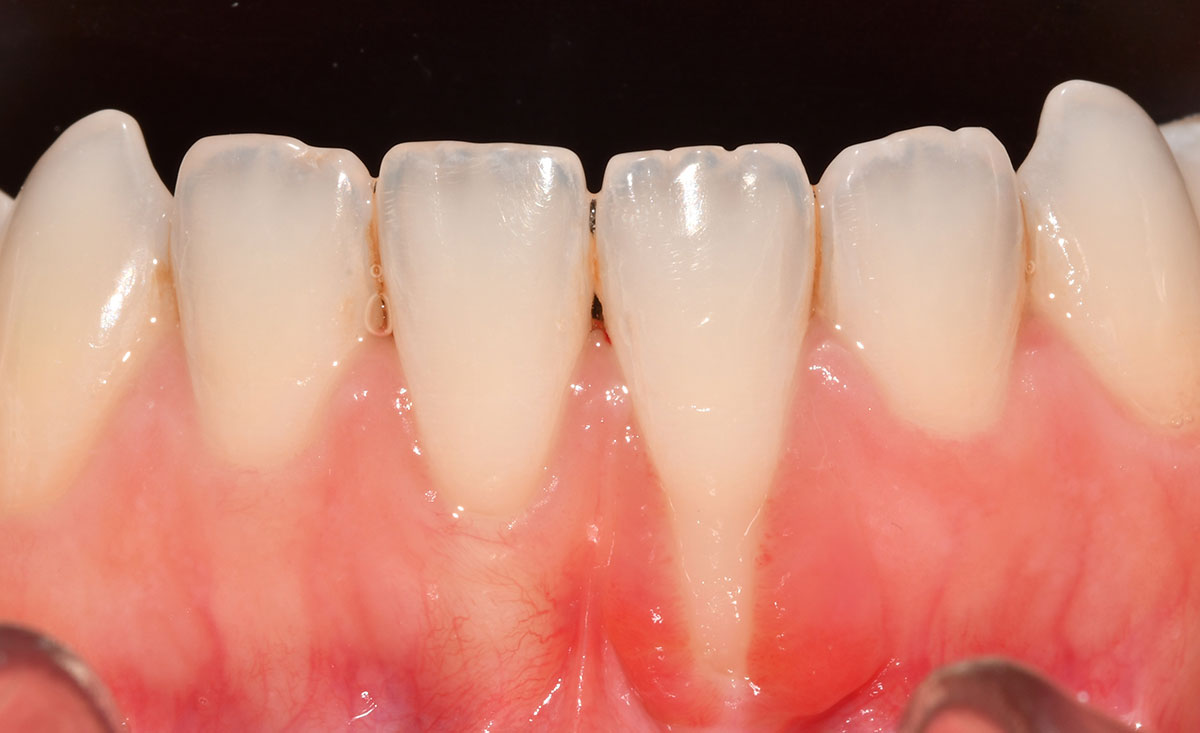
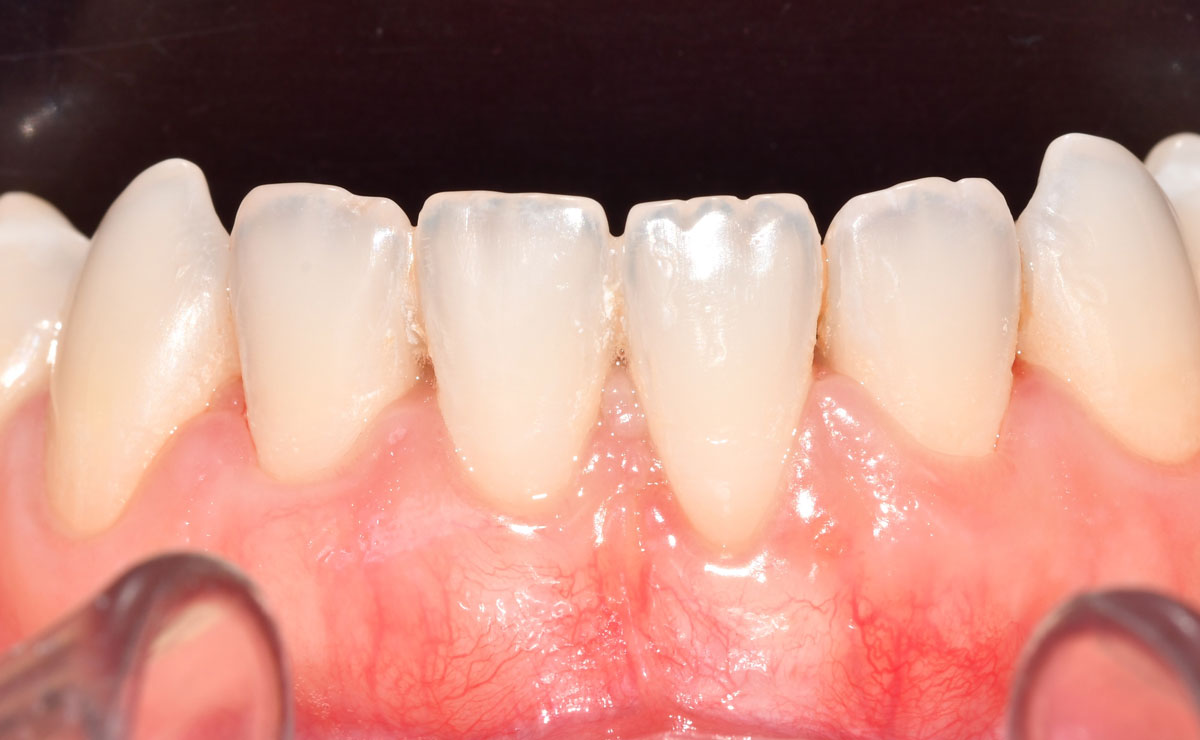
When you suffer from receding gums, the main warning sign is visual: your teeth seem to be getting longer. This illusion is due to the reduction in gum tissue, which literally “melts” around the root.

Most often painless, in advanced stages this disorder can induce tooth sensitivity and cause pain on contact with cold, hot or sugar, in particular. The part of the tooth normally protected by the gum is exposed.

The diagnosis of gum recession must be made by a dental surgeon following a thorough oral examination.

What causes gums to recede?

Several causes of gingival recession have been identified, chief among them traumatic brushing (too vigorous or too hard a toothbrush).

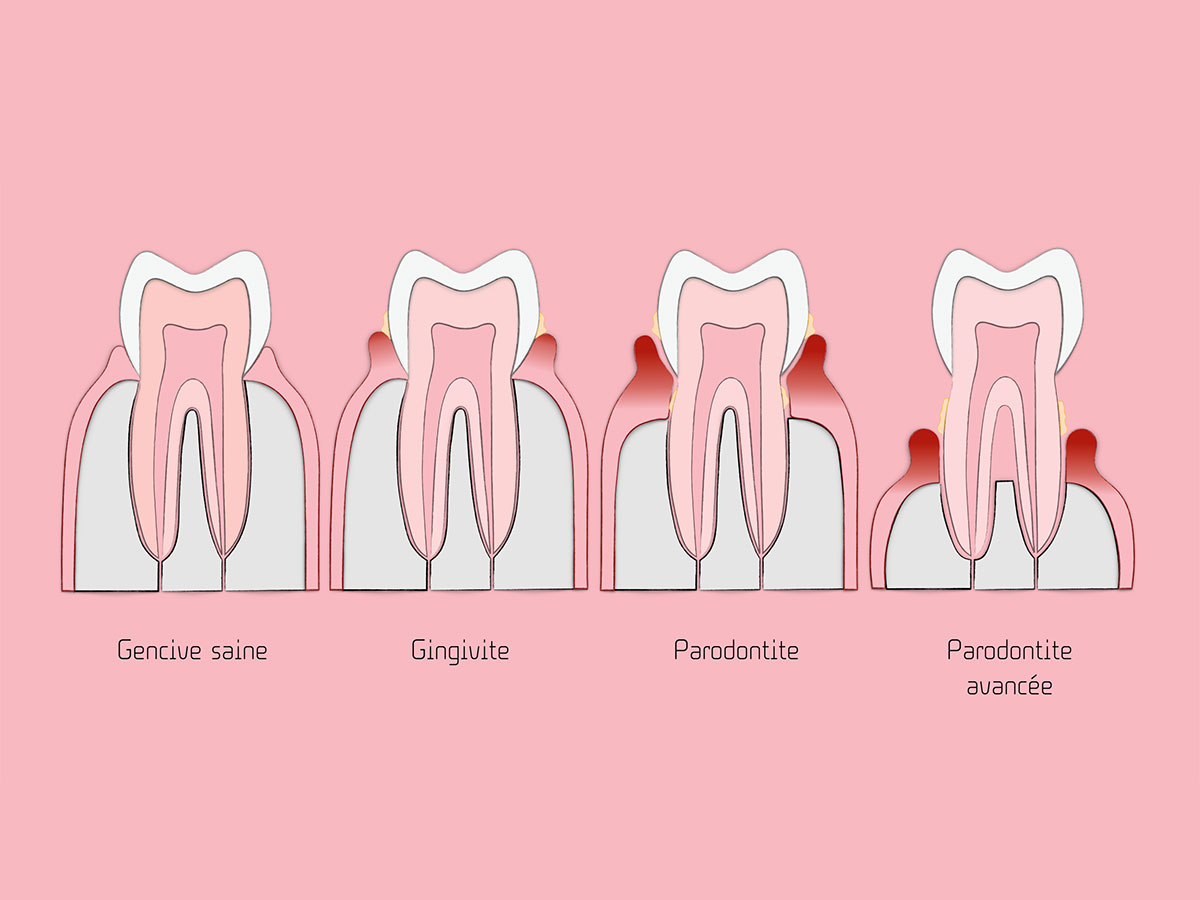
Other factors aggravate the risk: natural thinness of the gums (sometimes hereditary), plaque build-up, gum disease or periodontitis, oral piercing, orthodontic treatment, smoking…

How can gingival retraction be treated?

Studio Paro uses state-of-the-art techniques to readjust or strengthen weakened gums. The principle is to thicken it using tissue from an area adjacent to the mouth (usually the palate).

This gum treatment not only restores a harmonious smile, but above all restores the teeth’s protection against attack or inflammation. The procedure provides a lasting solution that preserves your oral health, brushing comfort and daily well-being.

How are receding gums treated?

Our dental surgeons propose a solution tailored to your individual case and the level of tissue loss. After a thorough examination of the mouth, periodontium and teeth, the practitioner recommends an intervention. In most cases, this involves minor surgery to the gum tissue, enabling it to cover the root of the tooth again, for effective protection and aesthetic appeal.

The treatment of gingival recession takes place in the office and under local anaesthetic, making it completely painless. The tissue is harvested close to the area to be reinforced, to avoid the risk of rejection. After the operation, the dental surgeon prescribes a treatment to limit any discomfort. Healing occurs naturally and rapidly.

As a complement to this restorative surgery, your dentist will advise you on the steps and products to adopt for your daily dental routine: soft toothbrush, fluoride-enriched toothpaste, use of dental floss and mouthwash… Naturally, regular visits to the dentist are the best way to prevent gingival retraction.

Examples

Contact us

Entrust your oral health to specialists and enjoy personalized care at Studio Paro.