
Periodontitis and Cardiovascular Disease: What Are the Risk Factors?
Oral health conditions, particularly periodontal diseases, are not always limited to the gums. The link between periodontitis and cardiovascular disease is increasingly well-documented. Although the connection between oral and overall health is still underestimated, any abnormal symptoms—such as sensitivity, pain, or bleeding—should prompt you to see a dentist.
Does periodontitis increase the risk of cardiovascular disease?
While not a direct cause, untreated periodontal disease is a recognized risk factor for heart disease. Numerous studies have been published on this topic, notably in the *Journal of Periodontal Research* (Wiley).
The results highlight a correlation between periodontitis and cardiovascular risk: heart attack, stroke, atherosclerosis, arrhythmia…
Periodontitis may increase the risk of stroke or heart disease through two mechanisms:
- Bacteria from the mouth enter the bloodstream, where they can attach themselves to existing plaque in the arteries.
- Diffuse inflammation throughout the body, as indicated, in particular, by elevated levels of C-reactive protein in the blood.
A recent scientific update published by theAmerican Heart Association (Circulation, 2025) concludes that periodontal disease contributes to the chronic inflammation associated with cardiovascular disease, although there is no direct evidence of causality. Patients at risk for cardiovascular disease would therefore be well advised to undergo regular dental checkups.

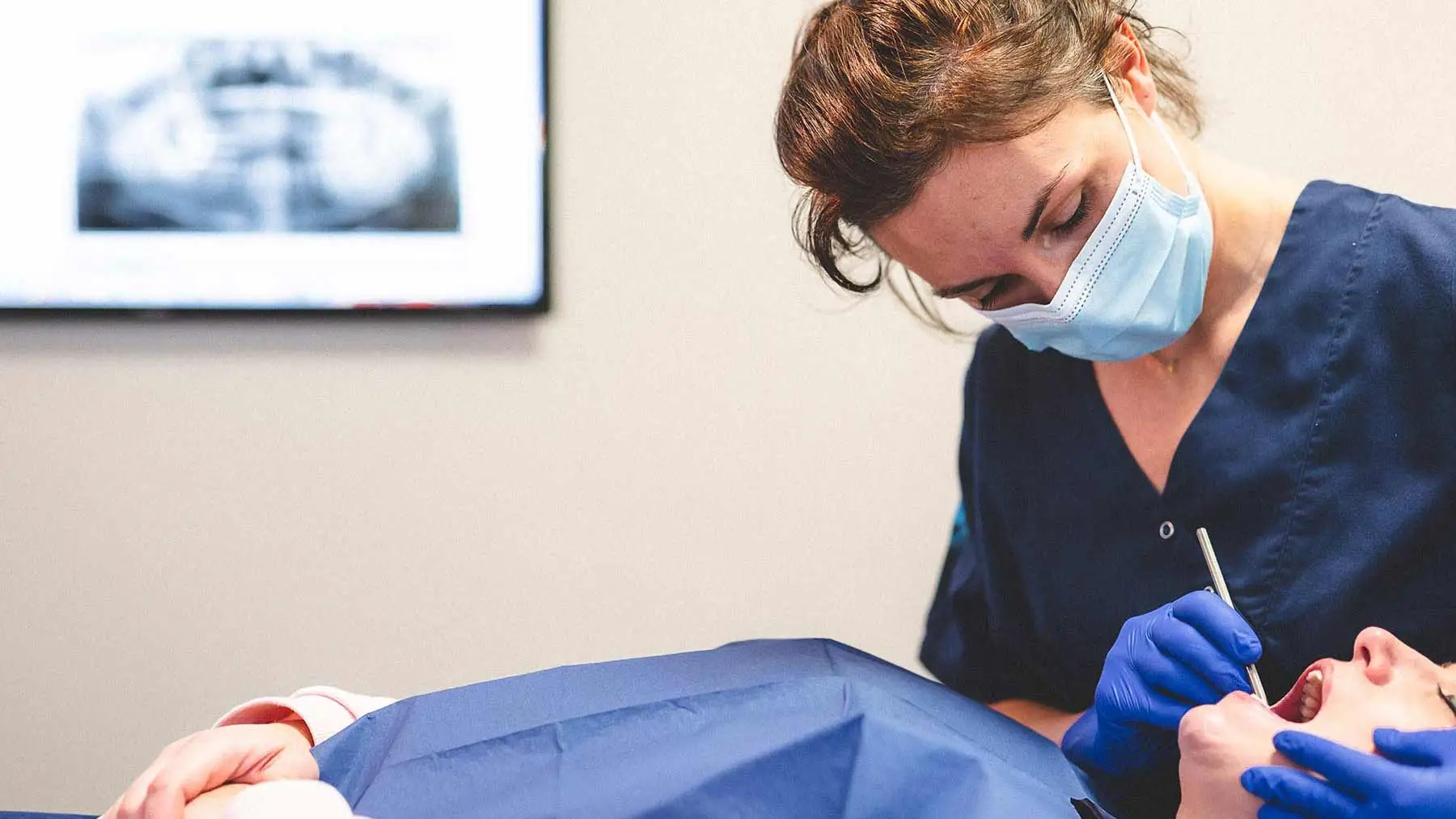
What are the common risk factors for periodontal and heart disease?
The fact that these two conditions frequently occur together in the same patients is no coincidence. These individuals often share common risk factors: smoking, an unbalanced diet, being overweight, diabetes, stress…
The links between cardiovascular disease and periodontitis work both ways. What worsens periodontitis also tends to weaken the cardiovascular system, and vice versa. Here again, regular dental checkups are essential to maintaining the health of affected patients.
When should you see a periodontist?
If you are at risk—particularly if you have a history of stroke or cardiovascular disease—you should have regular dental checkups.
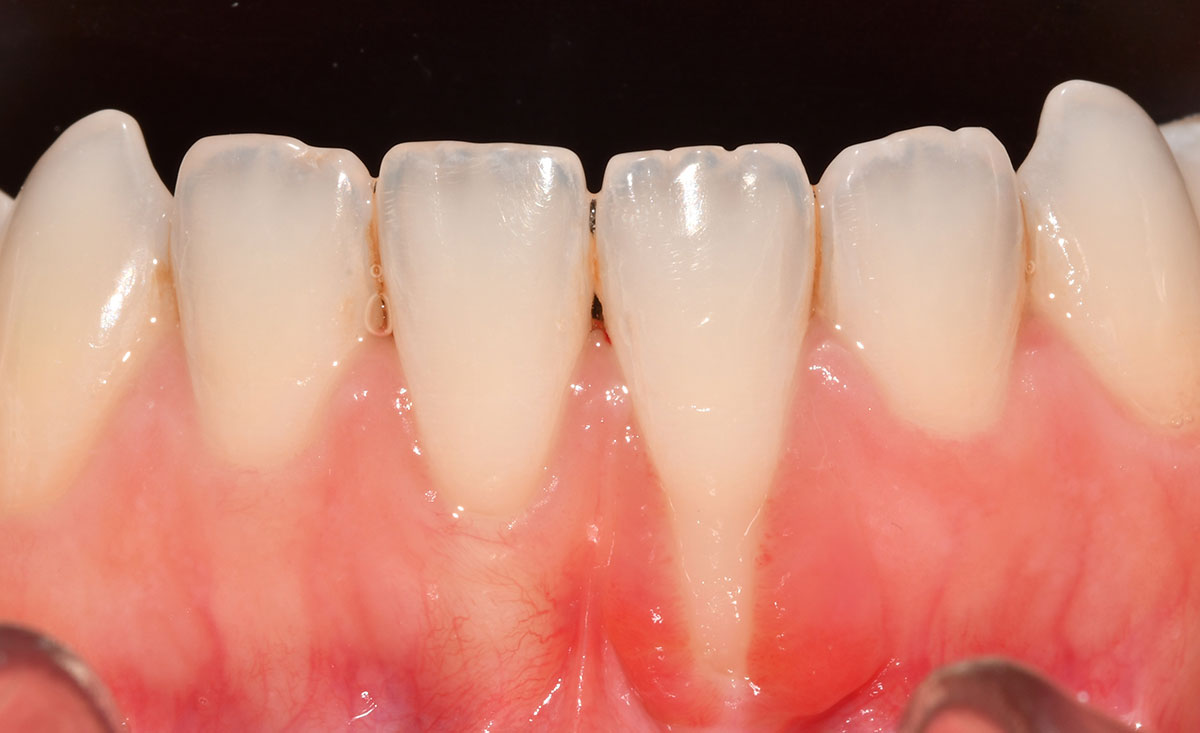
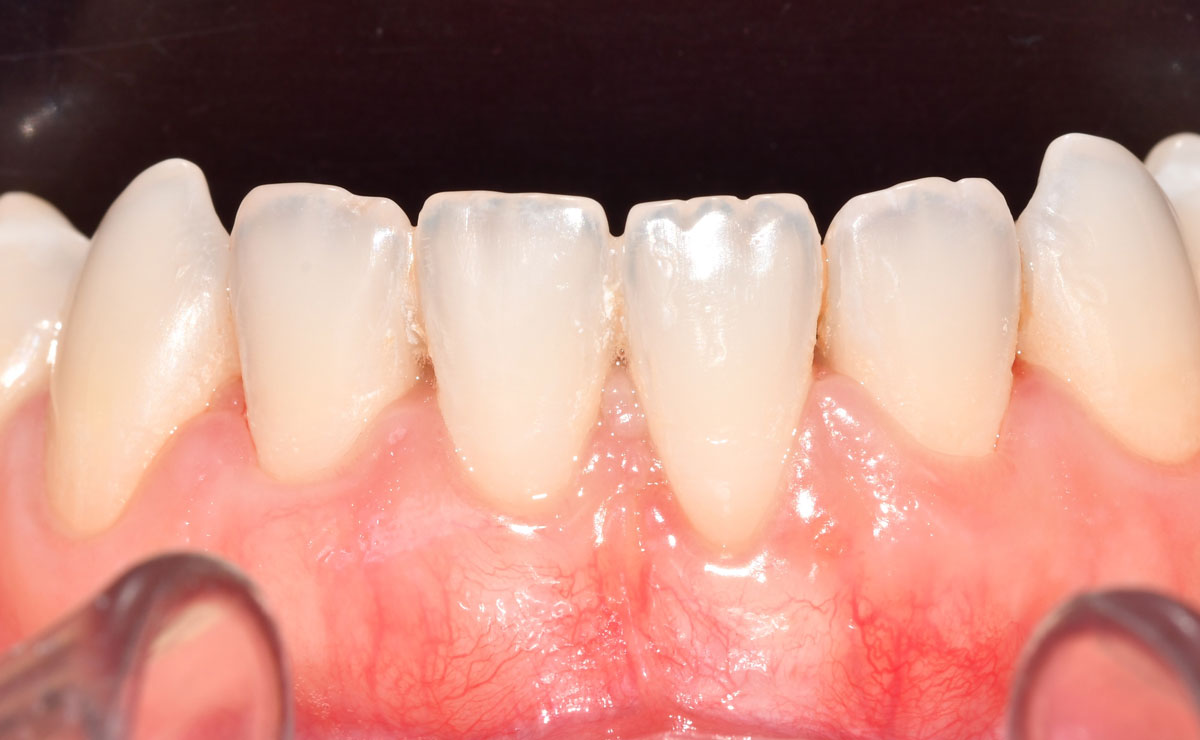
If you notice tooth sensitivity, bleeding gums, or if it feels like your teeth are getting longer, you should see a periodontist as soon as possible.
Studio Paro is a practice specializing in periodontal care. Our expert dentists are able to detect signs of inflammation at a very early stage and perform a comprehensive periodontal evaluation. As a result, our patients receive early treatment, particularly when there are associated risks.
While periodontal treatment does not cure the disease, it does help reduce gum inflammation, thereby protecting your overall health. It also stops bacterial growth. Regular follow-up, in consultation with your doctor or cardiologist if necessary, helps maintain your oral and overall health.
For a comprehensive evaluation and personalized treatment, make an appointment at Studio Paro in Lyon.

Examples
Contact us
 Make an appointment