Is it possible to place a dental crown on receding gums?
This type of prosthesis allows you to replace a missing tooth and regain real comfort. Attached to the root of the tooth, the crown is an aesthetic and functional solution. However, its stability and longevity depend on the quality of the gum tissue. Can a dental crown be retained or placed on receding gums? What is the best solution for restoring gingiva? Studio Paro, a specialized dental practice, answers your questions.
What impact does gingival retraction have on dental crowns?
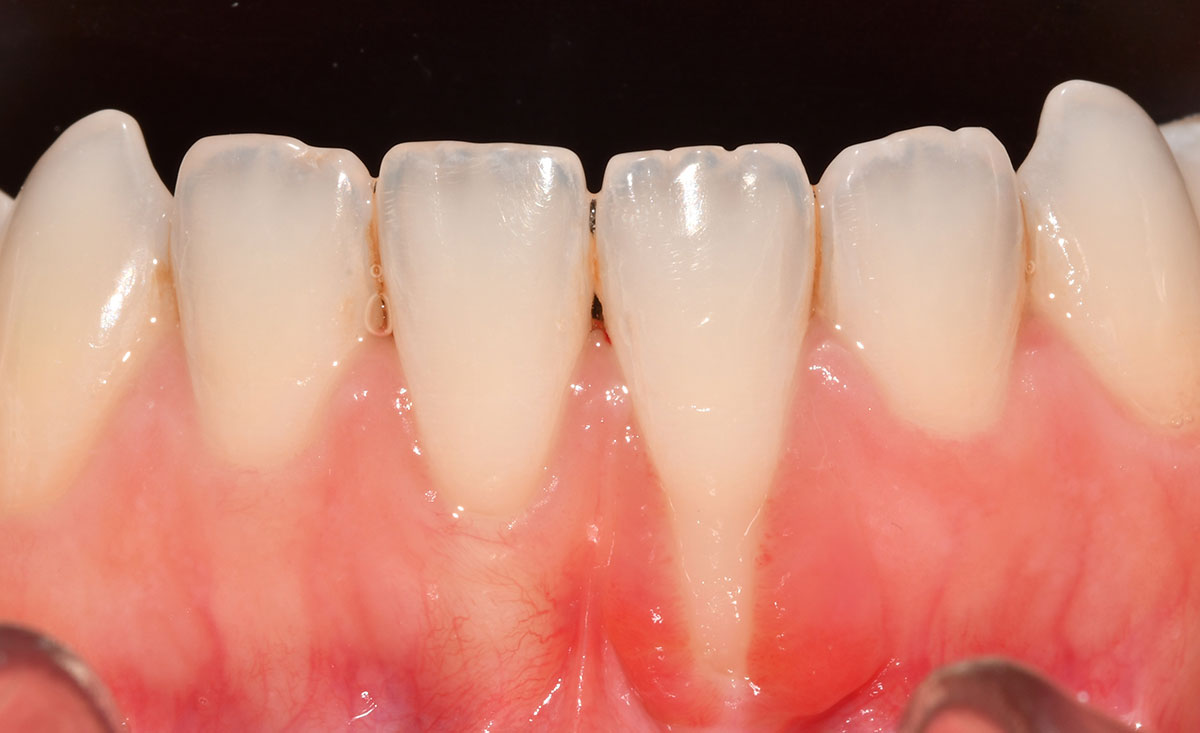
The first piece of good news is that today, it’s relatively easy to repair receding gums. If detected early, gingival recession can be treated and does not contraindicate the fitting of a dental crown.
However, if the tissue loss is too great, the dentist may suggest gingival grafting before or in addition to crown placement.
How to spot the symptoms of gingival recession?
There are three main signs of gum retraction:
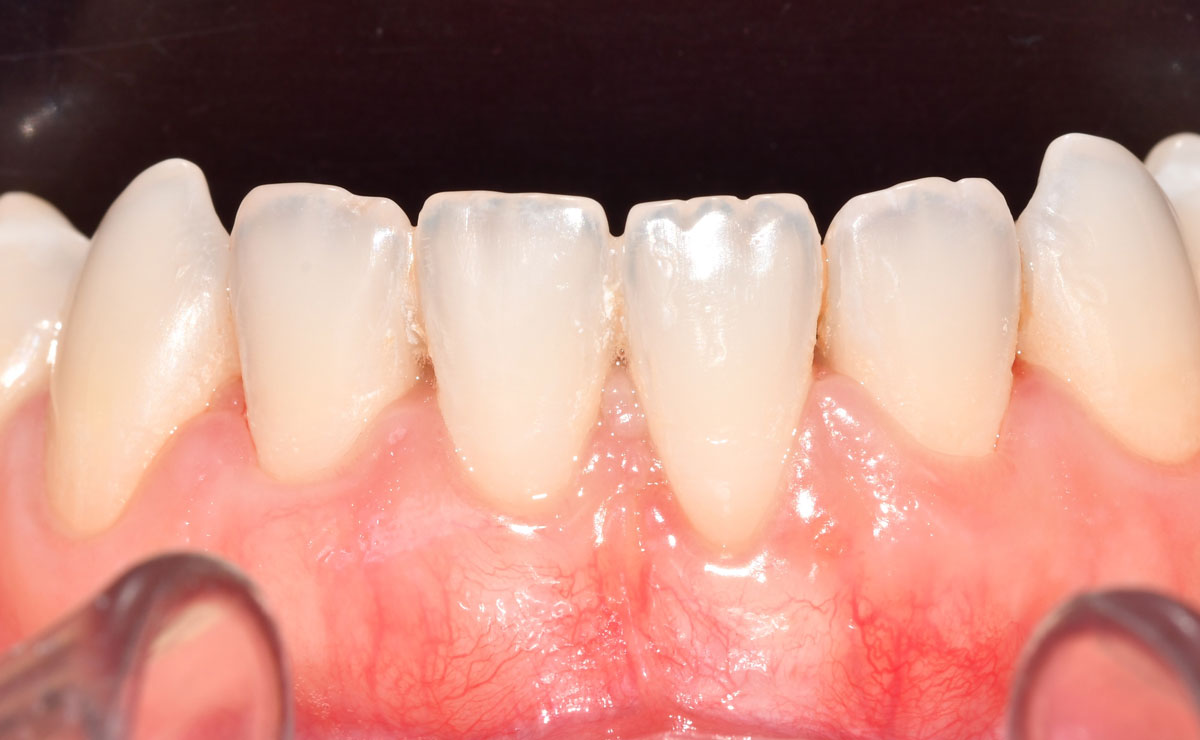
- an impression of elongated teeth or roots that become visible;
- enamel sensitivity to cold, heat or sugar;
- bleeding when brushing.
If you notice any of these symptoms, consult a dentist as soon as possible. Only he or she will be able to diagnose the problem and recommend gum care to preserve your crown and your oral health.
What causes gingival recession?
Gum retraction is mainly due to overly vigorous or inappropriate brushing, poor orthodontic treatment or oral pathology (e.g. periodontitis). If left untreated, it can weaken teeth and dentures.
A crown is a kind of “cap” placed over a tooth that has been damaged, for example by decay. When the gums melt, they reveal the base of the tooth, or even the root. Gum recession under a crown is a problem that needs to be addressed.
How can gum problems be treated in preparation for restorative dentistry?
Melting gums are relatively common. Fortunately, there are suitable solutions, which Studio Paro regularly implements for its patients.
It is perfectly possible to place a crown after a gingival graft. Our dentists apply the following treatment protocol:
- in-depth oral diagnosis ;
- care recommendations (gum reconstruction) ;
- in-office procedure under local anaesthetic (removal of tissue from the palate to reinforce the gum);
- follow-up on healing ;
- control consultations.
How can I prevent gum retraction?
When it comes to health, prevention is the best approach. To protect your gums and dental crowns, brush your teeth with the right toothpaste and a soft brush. Avoid over-aggressive gestures and complete your care routine by using brushes or dental floss. Finally, consult your dentist regularly.
Examples
Contact us
At Studio Paro, every patient enjoys a warm welcome and is involved in the care process. Our dental practice combines expertise and state-of-the-art equipment to provide top-quality care. Make an appointment now!

Make an appointment