
This condition is a chronic disease of the periodontium, the structure that supports the teeth. If left untreated, it can lead to receding gums, bone loss, and even tooth loss. Studio Paro, a dental practice specializing in this type of condition, explains how to treat severe periodontitis.
What causes periodontitis?
Periodontal disease develops under favorable conditions. Excess dental plaque, in particular, leads to gum inflammation known as gingivitis. If left untreated, gingivitis can progress to periodontitis. Bacteria grow beneath the gums, causing periodontal pockets to form.
Many other factors contribute to the onset of this condition or make it worse:
- genetic predisposition;
- smoking;
- inappropriate brushing technique;
- significant stress;
- cardiovascular disease or diabetes;
- taking certain medications;
- absence of cavities;
- pregnancy…

What are the symptoms of severe periodontitis?
This condition often goes unnoticed for some time. However, the following signs may alert you:
- bleeding while brushing (or even at other times);
- tooth sensitivity;
- red, sore, or swollen gums;
- the appearance of “teeth that seem to be getting longer [HT1]” (gingival recession);
- persistent bad breath;
- dental mobility.
If you notice any of these symptoms of periodontitis, make an appointment at Studio Paro.
If left undiagnosed, the disease continues to progress and eventually leads to tooth loss. It can also have consequences for overall health, particularly when bacteria enter the bloodstream.
What does a periodontal exam involve?
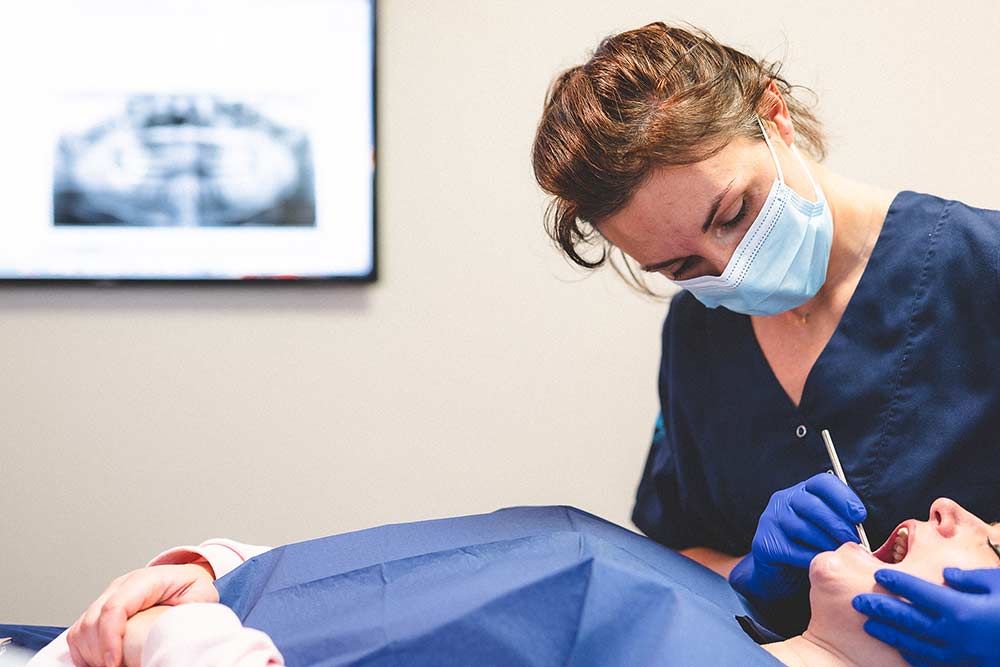
When you visit us for gingivitis or suspected periodontitis, Dr. Touati and his team always perform a comprehensive oral examination. This includes a periodontal examination to assess the condition of the gum tissue, any inflammation, bone loss, and the stability of your teeth. We then develop a personalized treatment plan for you.
What are the treatment options for advanced periodontal disease?
Significant gum recession, bone loss, or tooth loss are signs of an advanced condition. In such cases, Studio Paro offers various treatment options tailored to your specific situation:
- lithotripsy to clean out periodontal pockets;
- use of antibiotics (topical or systemic);
- surgical solutions in certain cases;
- gum graft in cases of significant tissue loss.
Treatment for severe periodontitis varies from patient to patient, which is why a thorough initial evaluation is so important.
The goal of periodontal treatment is always to restore good oral health and halt the progression of the disease.
What does lithotripsy involve in cases of periodontitis?
Unlike root planing, which can damage the roots of your teeth, lithotripsy gently removes tartar using an instrument that vibrates gently. Thanks to the patient’s brushing at home, this procedure reduces inflammation, so anesthesia is not necessary during the procedure.
Lithotripsy stops periodontitis by eliminating bacteria, as well as subgingival plaque and tartar. The number of sessions varies depending on your overall health and the extent of periodontal disease.
This approach is the treatment used by Studio Paro to treat periodontitis.

What happens after periodontitis treatment?
From the very start of treatment, you’ll notice a reduction in inflammation and greater comfort in your daily life. In the medium and long term, the disease is stabilized and your natural teeth are preserved.
Once treatment is complete, Dr. Touati and his team will schedule regular follow-up appointments for you. The goal is to monitor the stability of the disease and prevent any recurrence.
When diagnosed and treated early, severe periodontitis yields excellent results. Treatment helps restore good oral health and strong, well-aligned teeth.
If you have gum inflammation, don’t wait to see a dentist. To receive specialized care and personalized treatment, make an appointment at Studio Paro in Lyon 3.
 Make an appointment